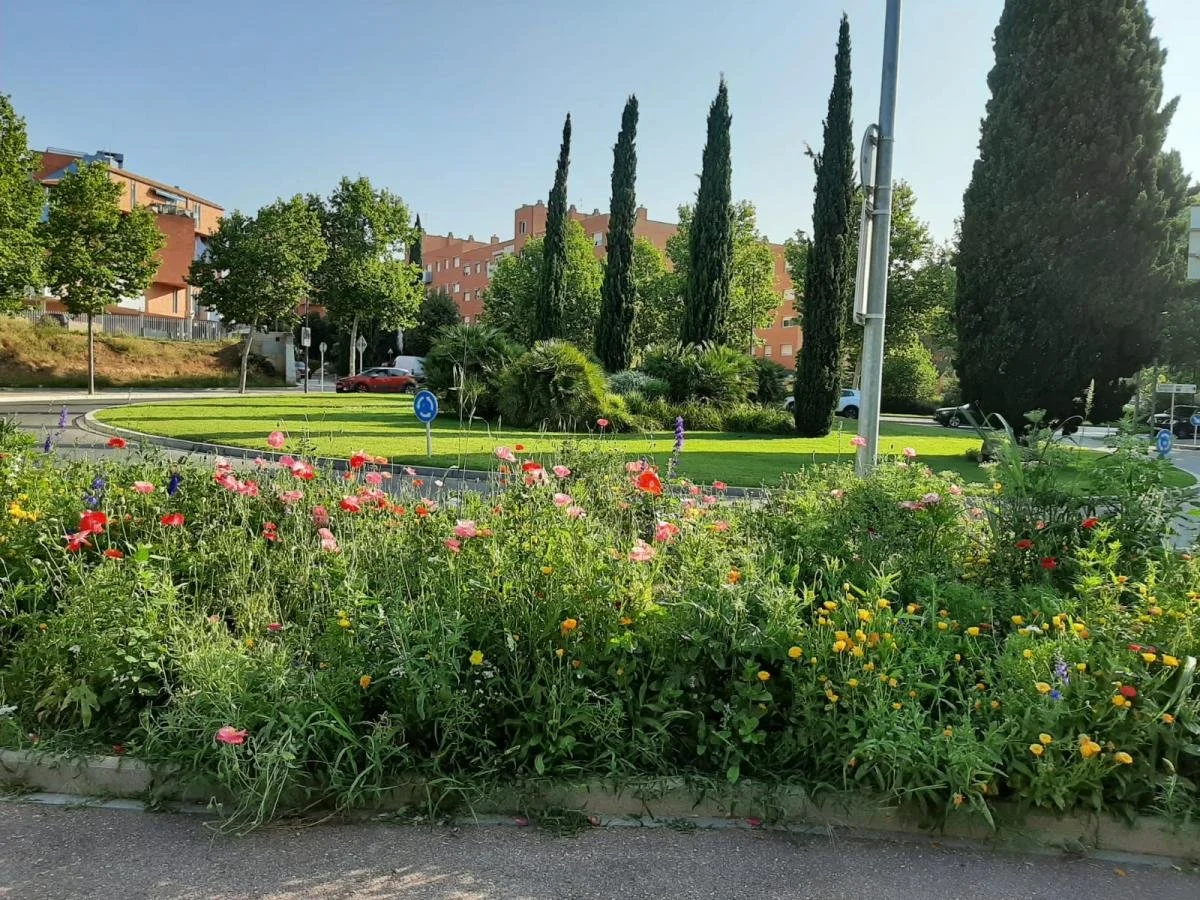
Roundabout in Gaudi neighbourhood.
Urban nature restoration initiatives
Reus, Catalunya
A synthesis of renaturalization and resilience initiatives led by Project RENATUReus of Reus City Council of Catalunya.
With support from the Spanish Biodiversity Foundation and EU NextGeneration funds.
-
![]()
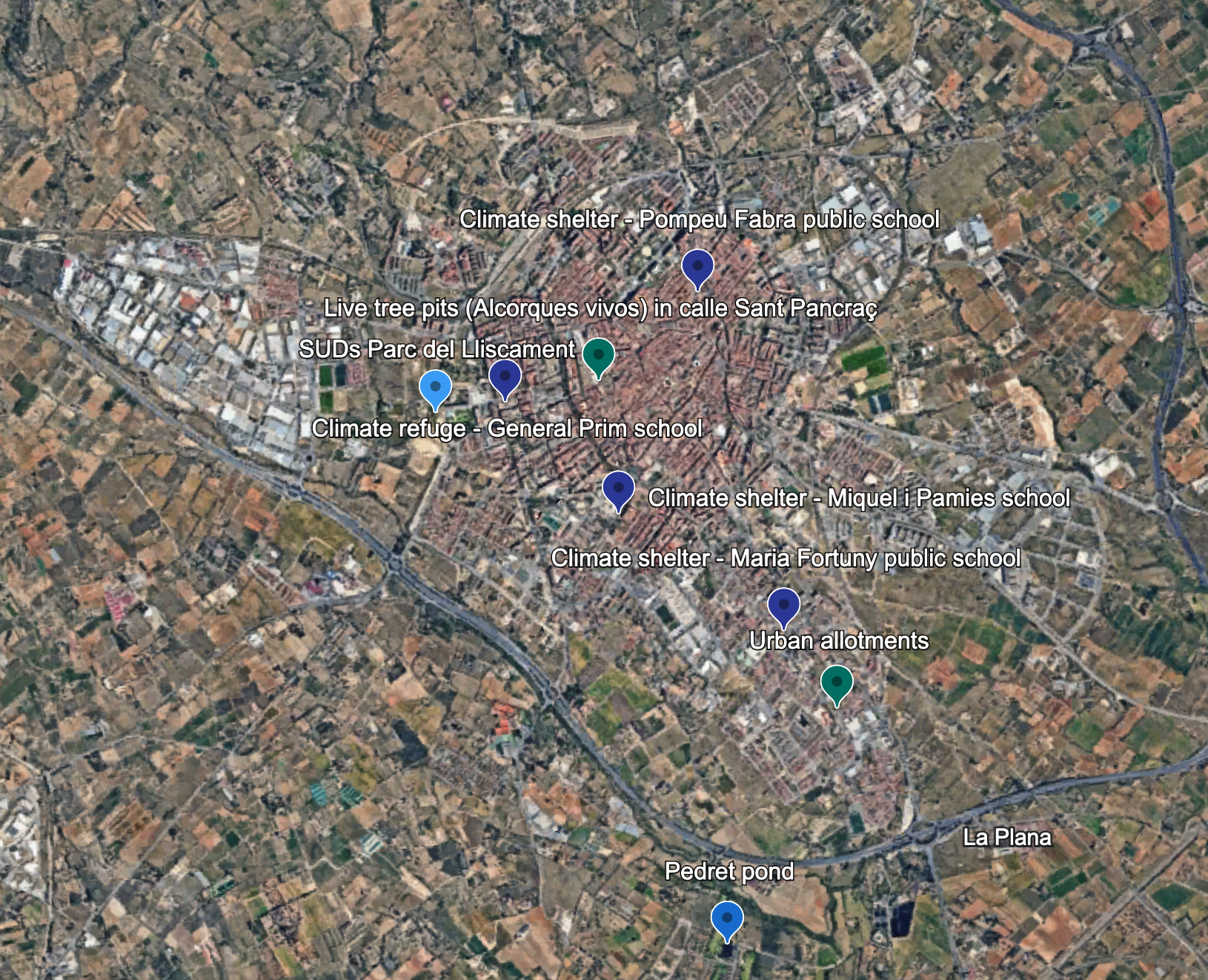
Sustainable Urban Drainage Systems (SUDS)
-
![]()
Urban Allotments
-
![]()
Climate shelters at public schools
-
![]()
Pedret Ponds
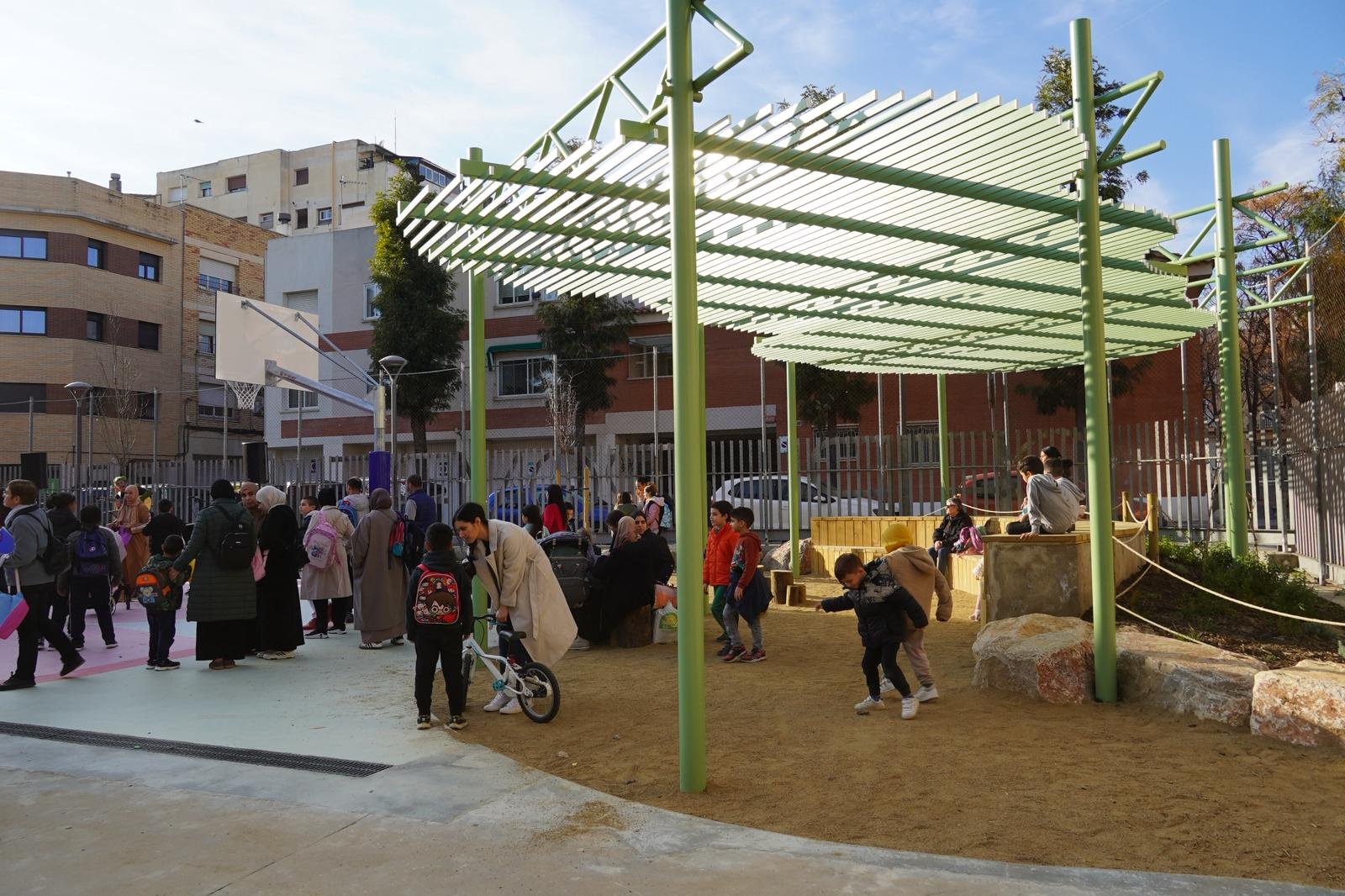
1. Climate shelters at General Prim, Teresa Miquel i Pamies, María Fortuny, and Pompeu Fabra public schools
Four school courtyards have been made greener and more climate resilient with the following measures:
Changing paved surfaces for soft materials like sand, wood and pine bark pieces
Planted dozens of trees and thousands of plants, creating shade, playing areas and microclimates
Added water elements, sand pits and other natural elements like wood and rock areas for play
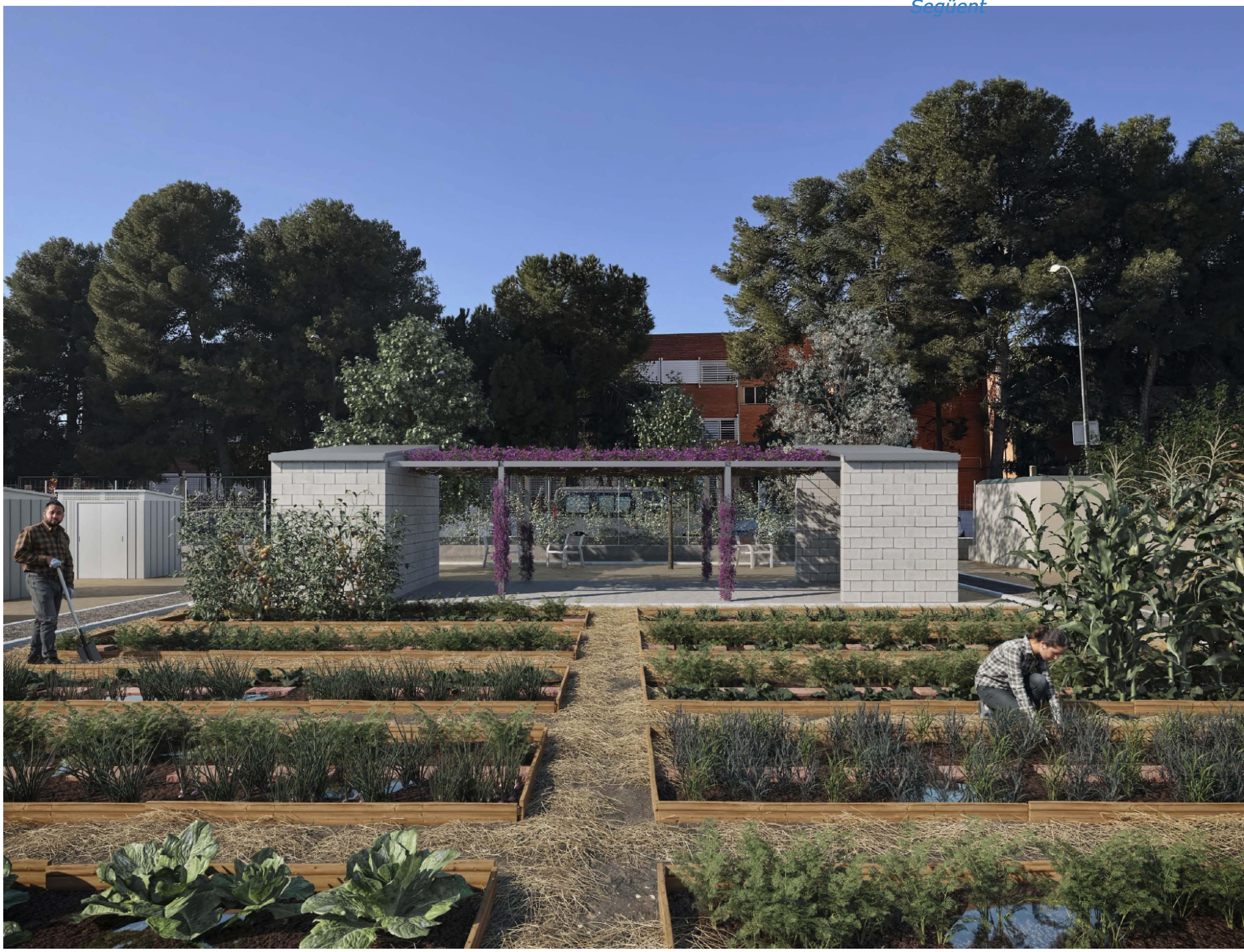
2. Urban allotments for organic farming
Reus City Council has approved conversion of an area of Astorga Street, creating:
Total of 21 urban allotment plots, spaces of community gathering
Used the “crestal” planting system, using crop rotation for better yield and natural pest control (biodiversity friendly farming practices)
Landscaped the area with low-water-need shrubs, and shaded area with trees
3. Sustainable Urban Drainage Systems (SUDS) in Parc del Lliscament
Built rainwater management infrastructures:
Help gather storm water and prevent flooding
Add visual appeal to the landscape
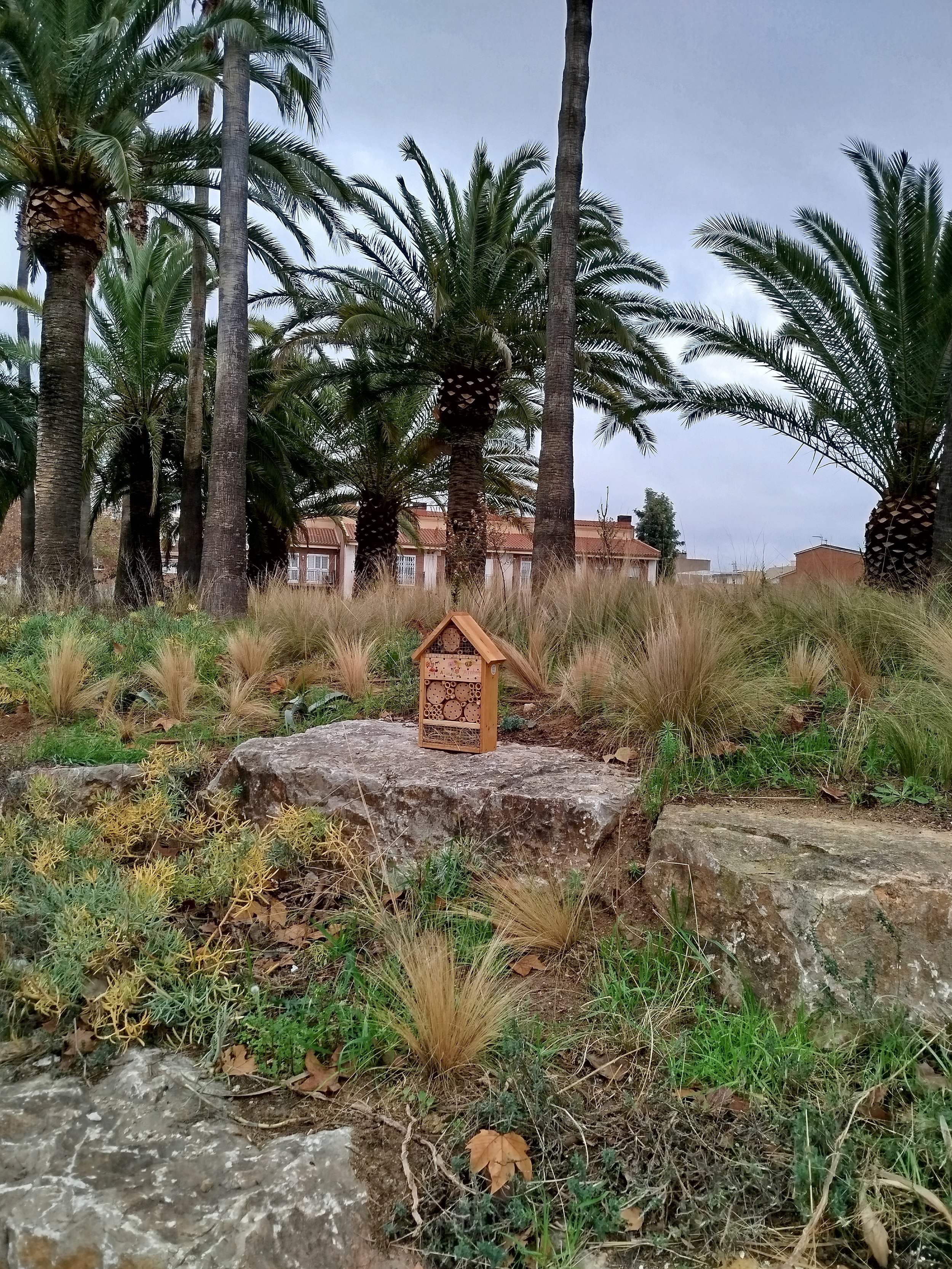
4. Live tree pits in Sant Pancraç street
Living tree pits are ecosystems that form at the base of trees, planted to promote a diversity of vegetation and attract pollinators.
The soil in which urban trees are planted is used for flowers and other plants.
The invertebrates that these living tree pits attract make urban trees healthier and more able to fight off disease and pests from small organisms.
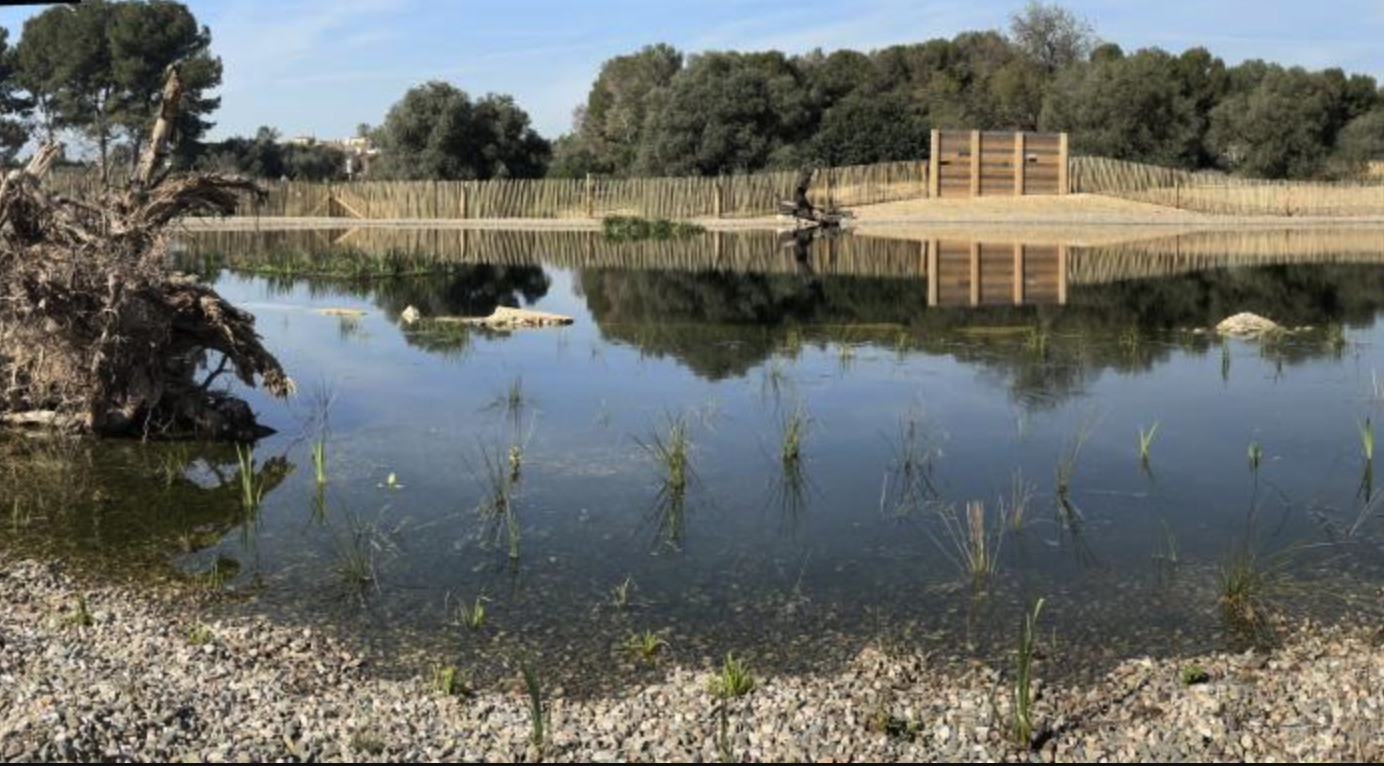
5. Pedret re-naturalised ponds
The Balsas del Pedret were created from the recovery of water from the Wastewater Treatment Plant (WWTP) of Reus. The resulting wetland ecosystem:
Supports rest and nesting of aquatic birds
Creates habitat for waders and invertebrate species.
Contributes to local ecosystem function, reusing wastewater
The ponds integrate different nature-based solutions to create and maintain habitat, including gravel and aquatic vegetation biofilters, floating islands, benthic algae, rainwater drainage and a krainer wall.